
OnlyFans subscriptions renew silently, and when several land in the same week the result is a spending spike that catches you off guard. Managing subscription overlap is the practical fix: instead of cancelling pages you enjoy, you deliberately spread renewal dates across the month so every billing cycle stays predictable. This guide covers why clusters hurt, how to read renewal patterns, and which calendar techniques keep a multi-page portfolio affordable. BestOnlyFans refreshes its rankings every month.
The core idea is simple. A subscription renews every 30 days from the moment you activate it, so your start date quietly becomes your renewal date forever. Change the start date and you change the whole rhythm of your spending.
Why Subscription Clusters Disrupt Monthly Budgets
A cluster happens when three or four renewals fall inside the same 72-hour window. Individually each charge looks small, but together they can consume an entire entertainment category in one bite. The money is the same across the month; the timing is what breaks the plan.
Overlap also creates pressure to cancel. When a spike arrives early in the month, subscribers often drop a page they still want simply to restore balance, then resubscribe weeks later and recreate the same cluster.
- Cash flow timing: several charges clear before your next payday, leaving the rest of the month tight.
- Budget category overflow: a single week blows past the limit you set for subscriptions.
- Forced cancellation pressure: you cancel pages you enjoy for scheduling reasons, not preference.
- Reduced spending flexibility: no room left for a new page or a pay-per-view unlock you actually wanted.
Subscriptions generally run from $4.99 to $49.99 for a base month, though most paid pages sit in the $4.99 to $15 range and cluster around $5 to $10. Four renewals at $10 inside one week is a $40 event; the same four spread weekly is $10 a week. Same total, very different experience.
Tip: before adding a new paid page, check the calendar for renewals landing in the next seven days. If two already sit there, delay the new start by a week.
Reading Renewal Patterns in BestOnlyFans Data
Ranking sites exist partly because OnlyFans has no built-in discovery feed or directory. A ranking card is usually assembled over a short observation window, and the timestamps attached to listing updates show when a page was actively promoted and when its audience engaged most.
Pages that refresh listings on the same weekday each month tend to attract subscribers in the same weekly wave, which is exactly how clusters form across a subscriber’s portfolio.

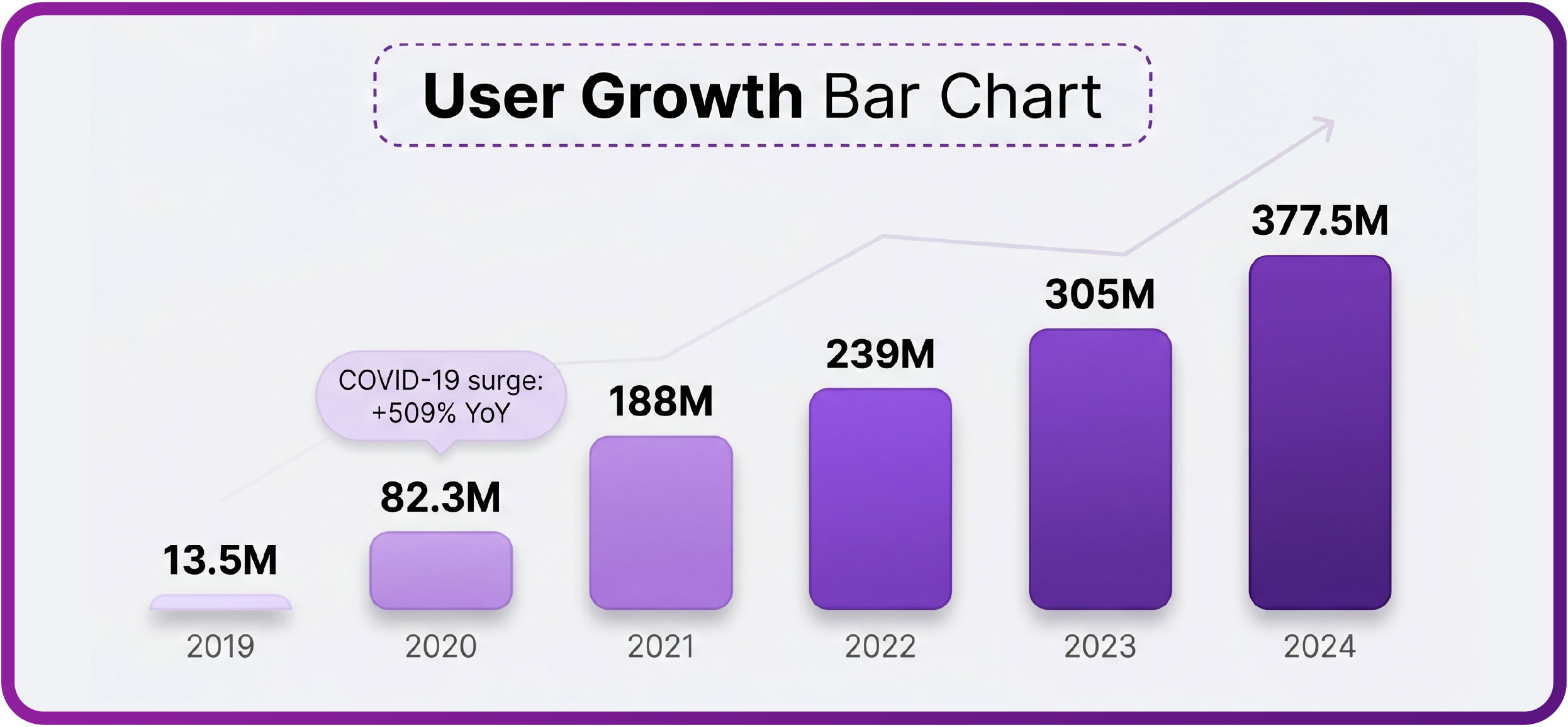
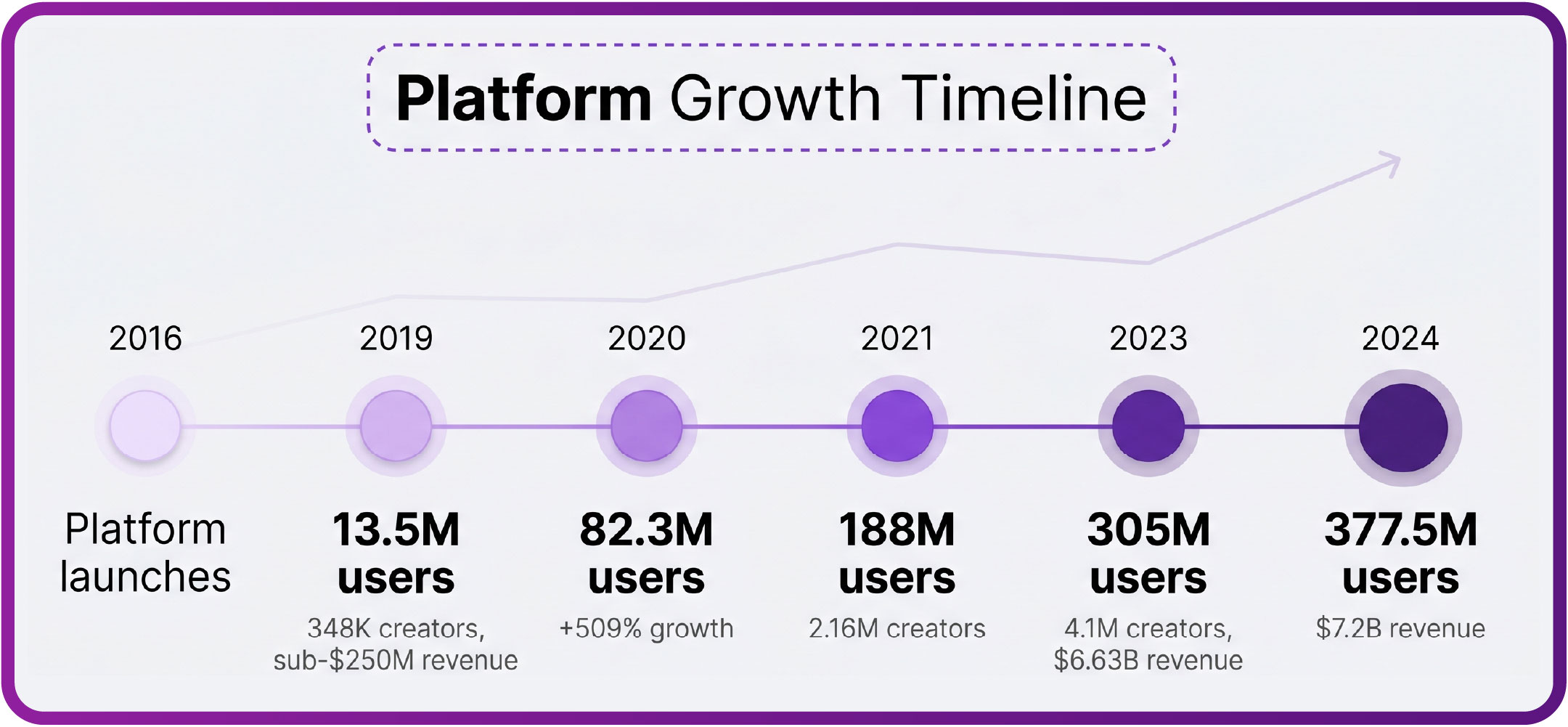
Platform growth adds context. As the user base expanded, the number of pages any one subscriber follows grew with it, and with more pages came more overlapping renewal dates.
A useful habit is to note the day of month you subscribed to each page. Most subscribers discover that four of their five renewals sit in the same ten-day stretch, purely by accident of when they signed up.
Calendar Techniques for Spacing Subscription Starts
If you control when you press subscribe, you control when money leaves the following month. The five strategies below cover most situations.
- Weekly stagger: assign each page a fixed week of the month, so no two renewals share a week.
- Bi-weekly rotation: alternate new starts between the 1st and 15th to create two even payment waves.
- Monthly quota system: cap active paid pages at a number you can fund, and only replace one when another ends.
- Quarterly review cycles: every three months, pause the least-used page and shift its slot to a page you use more.
- Seasonal alignment: start pages you use heavily in quieter spending months and let the rest run later.
The table below shows how three common approaches distribute renewals across a month and who each one suits.
| Strategy | Best For | Renewal Pattern |
|---|---|---|
| Weekly stagger | Subscribers with four to eight paid pages | One renewal per week, roughly even |
| Bi-weekly rotation | Subscribers with two to four paid pages | Two grouped renewals, twice monthly |
| Monthly quota | Fixed entertainment budgets | Renewals only when a slot opens |
Free pages change the maths because a $0 subscription still renews but charges nothing at the base level. Those pages earn through pay-per-view messages and tips instead, with PPV unlocks reaching up to $50. Spacing still matters there, because PPV spending follows attention, not the renewal clock.
Managing Mid-Cycle Cancellations for Better Spacing
Auto-renew stops as soon as you cancel, and access continues until the paid period ends. If you resubscribe after that point, the new date becomes the new anchor for every future renewal.
Cancelling a few days before the renewal date and resubscribing immediately after shifts the charge roughly a month later, which is often all the separation you need.
- Immediate access loss risk: cancelling does not end access instantly, but letting the period expire does, and any saved messages may become unavailable.
- Partial month calculations: a mid-cycle resubscribe starts a fresh full period rather than prorating the remainder.
- Promotional rate forfeiture: a discounted first month is often a one-time offer you cannot reclaim after cancelling.
- Auto-renew reset mechanics: the platform simply charges 30 days from the new start, so the shift is permanent unless you change it again.
Remember the platform split while you plan. OnlyFans takes a 20% fee on everything, so creators keep 80% of each subscription and unlock. That does not change your bill, but it explains why promotional months appear at all.
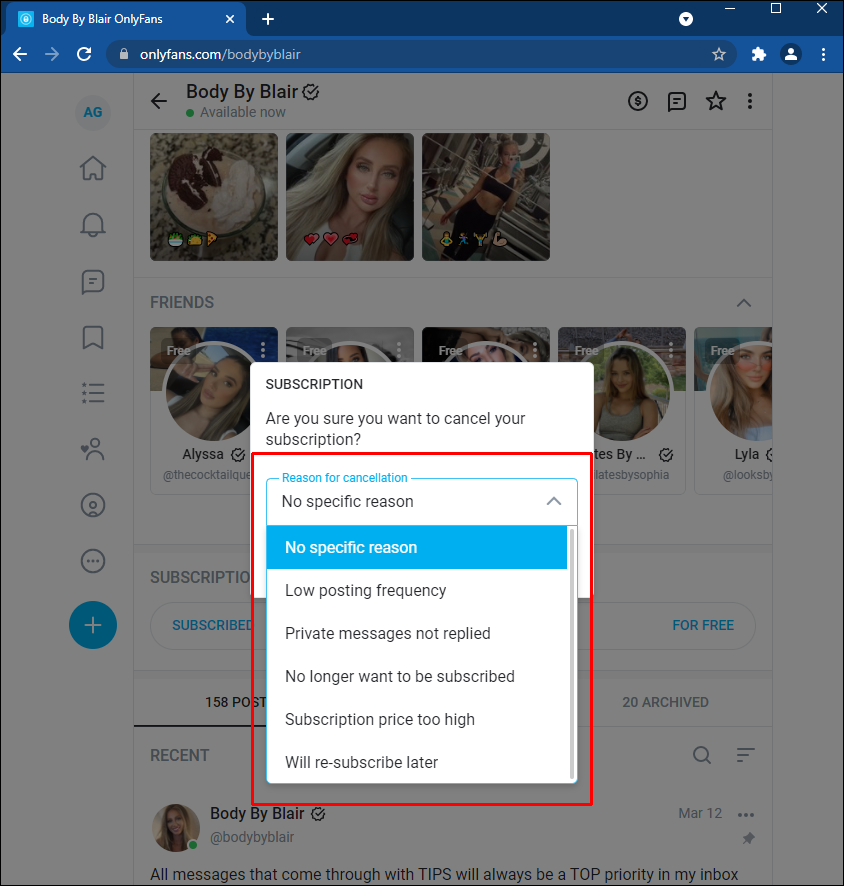
Repeatedly cancelling and restarting the same page costs you saved access and any promotional pricing you had.
Budgeting Tools for Multi-Subscription Tracking
A tracking system does not need to be complicated; it needs to be checked before you add a new page rather than after the charge clears.
- Calendar reminders: create a repeating entry for each renewal, two days before the charge.
- Spreadsheet logging: one row per page with start date, price, and next expected renewal.
- Dedicated payment card: route all subscriptions through a single card so the statement is a ready-made audit.
- Banking app categories: tag each charge so the monthly total appears without manual adding.
- Subscription management apps: track recurring charges and flag any that duplicate a date.
List every charge, mark each one you actually used, and note any renewal sitting within three days of another.
Warning: a below-minimum price is only legitimate as a promotional first month, such as $3. A base subscription is never priced under $4.99, so treat anything claiming otherwise as a red flag.
If you scrutinise your own spending records, the same discipline applies to phishing scams that imitate payment pages and harvest card details. Only enter card information inside official account settings, never through a link in a message.

Handling Price Changes That Disrupt Your Spacing
A creator raising their base price automatically stops auto-renew, so you are not charged the new amount without a decision. Existing access lasts until the paid period ends, and restarting is a manual step.
That behaviour is useful for spacing, because it hands you a free reset point. When the period ends, choose your new start date deliberately instead of resubscribing the moment the page goes quiet.
- Check whether the new price fits the slot you had assigned it.
- If it does not, move the page to a quieter week before restarting.
- If the increase is large, compare the page against others in the same budget band.
- If two pages now sit in the same week, restart only one and delay the other.
Card verification is a related detail. A $0.10 hold is placed when you add a card and refunded within days, so a small temporary charge near signup is normal rather than a pricing trick. Paid chat commonly runs $3 to $5 per message, which is separate from the subscription and worth budgeting in its own line.
It helps to understand where the money concentrates. Revenue splits unevenly, with a small share of creators earning most of the platform’s income, which is why guides often discuss the onlyfans top 3 percent when explaining why pricing and promotion differ so much between pages.
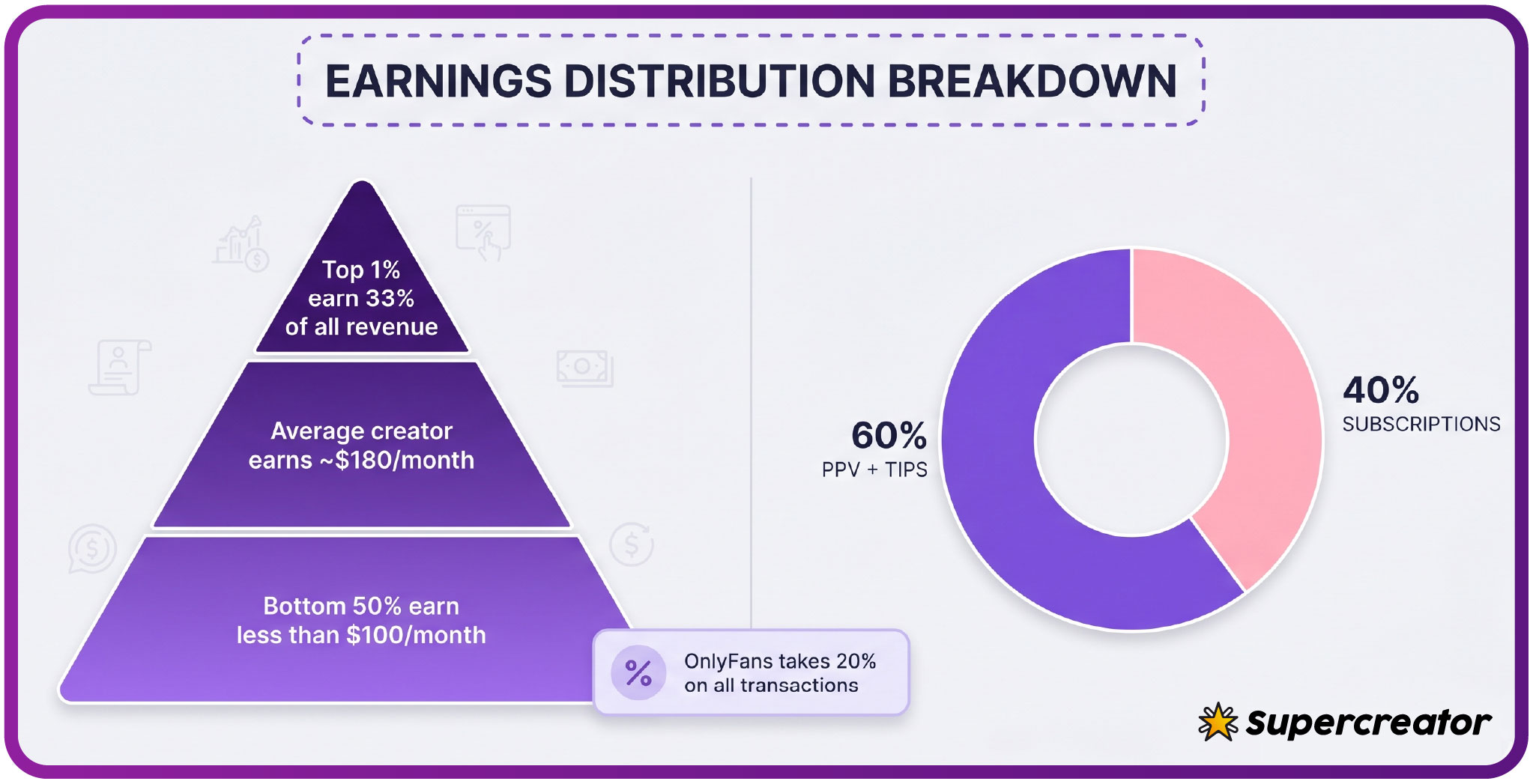
For planning purposes, treat a price change as a scheduled review, not an emergency. One page moving up is easy to absorb when the rest of the month is already spread out.
Building Sustainable Multi-Page Habits Long-Term
The routine that keeps a portfolio healthy is a short, repeated review at four intervals: weekly, monthly, quarterly, and annually.
| Review Frequency | Actions Taken | Budget Impact |
|---|---|---|
| Weekly | Check charges due in the next seven days | Prevents surprise spikes |
| Monthly | Audit totals and flag duplicate renewal dates | Keeps spend inside the set limit |
| Quarterly | Pause least-used pages, reassign their slots | Frees room for better-used pages |
| Annually | Rebuild the whole calendar from scratch | Resets the rhythm after life changes |
Job changes, moved paydays, and new interests all shift what a comfortable subscription load looks like, and a calendar built two years ago often no longer matches.
Keep a simple rule at the centre of it: never start a new paid page in a week that already holds two renewals. Apply that one constraint and most clusters never form in the first place.
FAQ
Can I change an existing subscription’s renewal date without cancelling?
No. The renewal date is tied to the start date, and the platform does not offer a date-change option inside the subscription. To move it, cancel so auto-renew stops, let the current paid period finish, then resubscribe on the day you want as the new anchor. You keep access until the period ends.
What happens to my spacing plan if a creator raises their price?
Auto-renew stops automatically when the price changes, so you are never charged the new amount without choosing to continue. When you restart, pick a start date that fits your calendar rather than defaulting to the same week as before.
How does BestOnlyFans show subscription timing in ranking data?
It does not publish billing dates, because those belong to individual accounts. What ranking cards do show is listing timestamps, which indicate when a page was actively updated and promoted. Those patterns hint at when subscriber waves form, which is useful context when you plan your own start dates.
Is there a limit to how many OnlyFans subscriptions I can stagger?
There is no platform limit on how many pages you follow or how you space them. The practical limit is your budget. A weekly stagger works comfortably up to about four or five paid pages; beyond that, a monthly quota system keeps the total predictable.